Your cart is currently empty!
Hydroponics
Discover the sweeping impact of hydroponics on global agriculture, with a special focus on Ethiopia’s strides towards sustainable food production and how other nations are successfully navigating food scarcity.

•
Hydroponics
Revolutionizing Global and Ethiopian Food Security
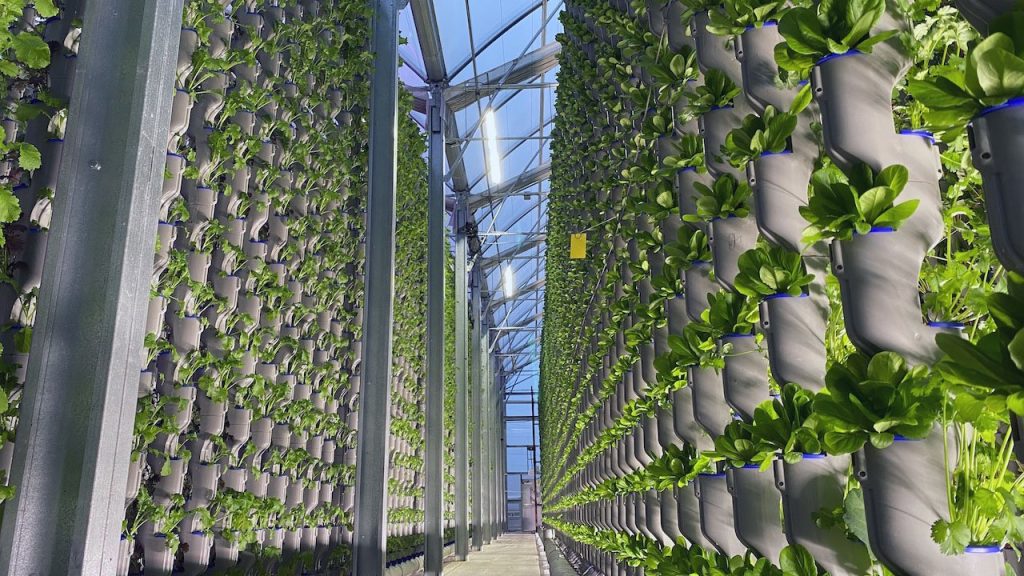
Hydroponics, a soil-less farming method, has emerged as a revolutionary solution in modern agriculture, enabling higher yields and sustainable practices worldwide.
As countries grapple with environmental challenges and a growing need for efficient food production, hydroponics provides a viable alternative to traditional farming. This detailed exploration delves into how hydroponics is shaping food security in Ethiopia and highlights successful applications from around the globe.
The Promise of Hydroponics in Agriculture
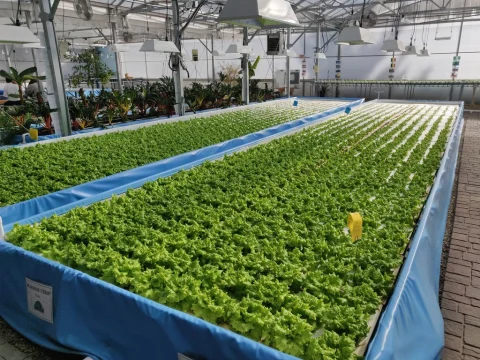
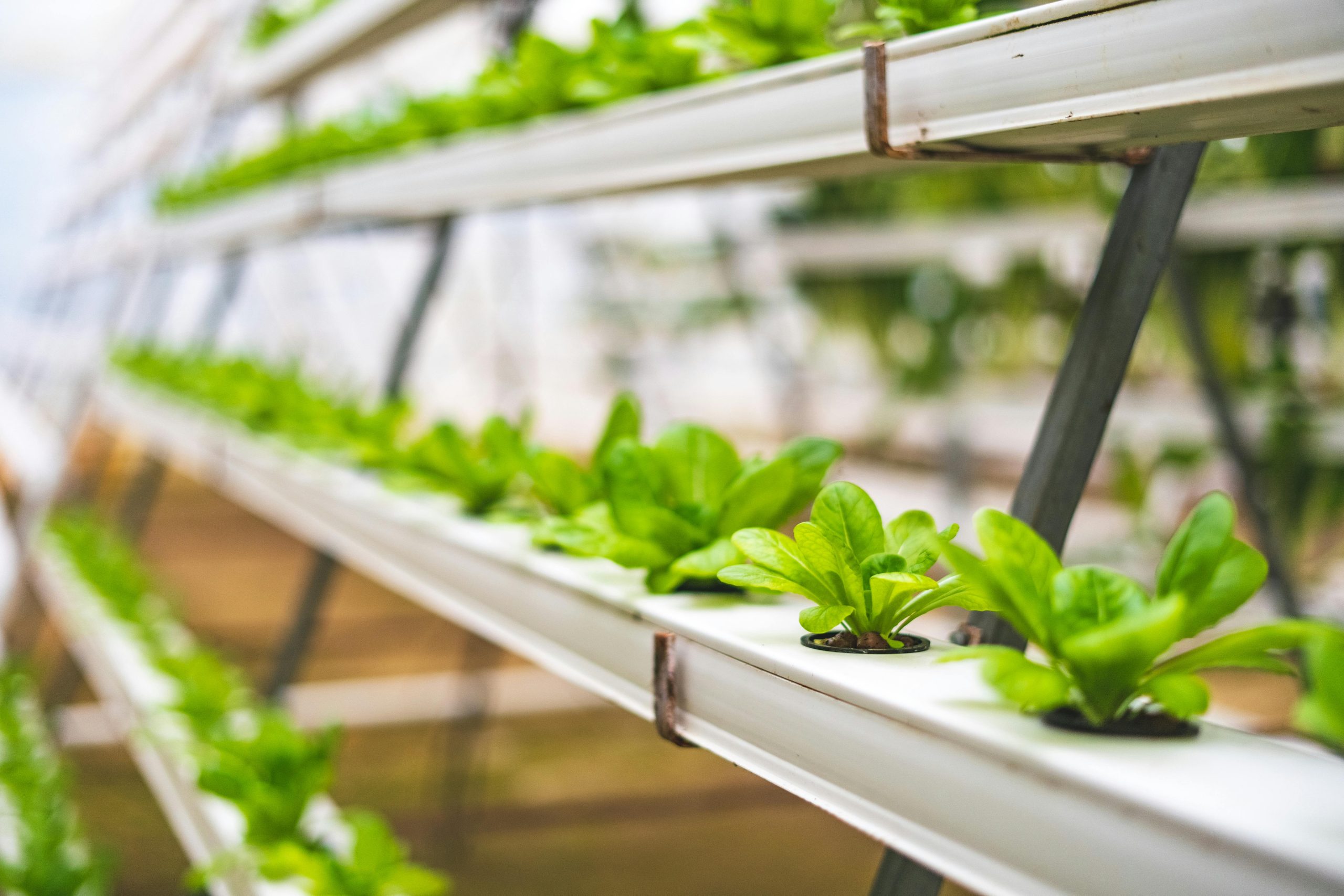
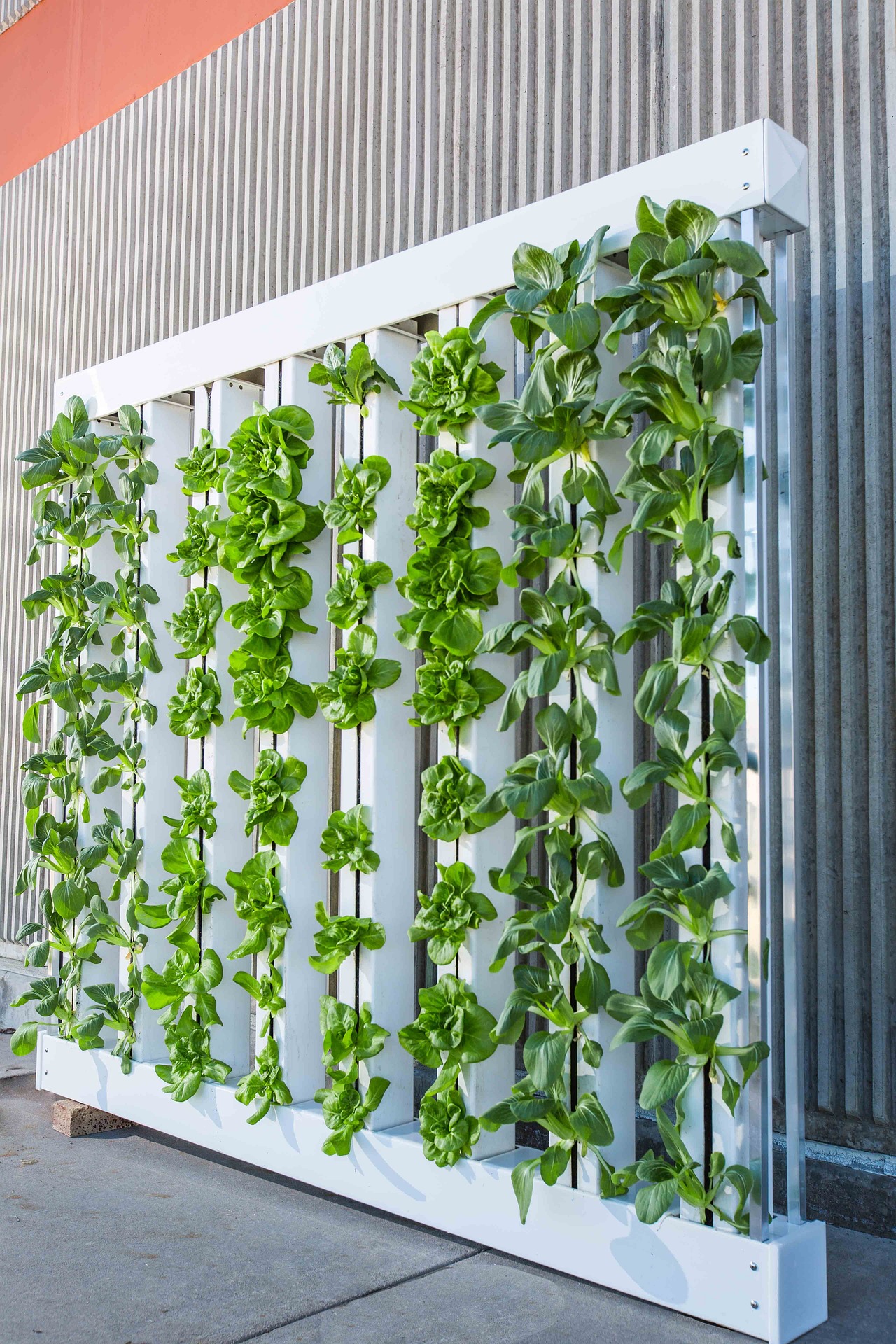
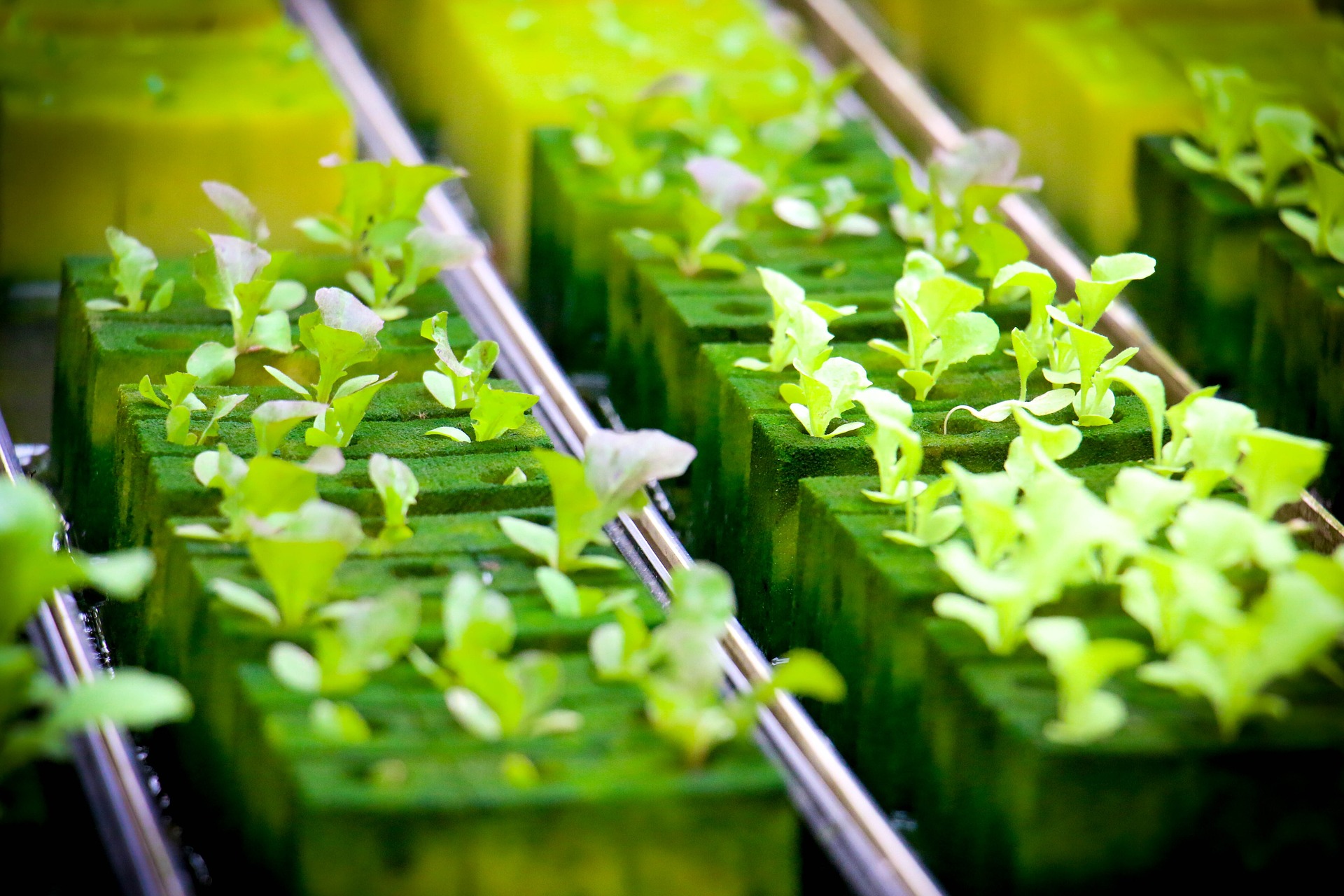
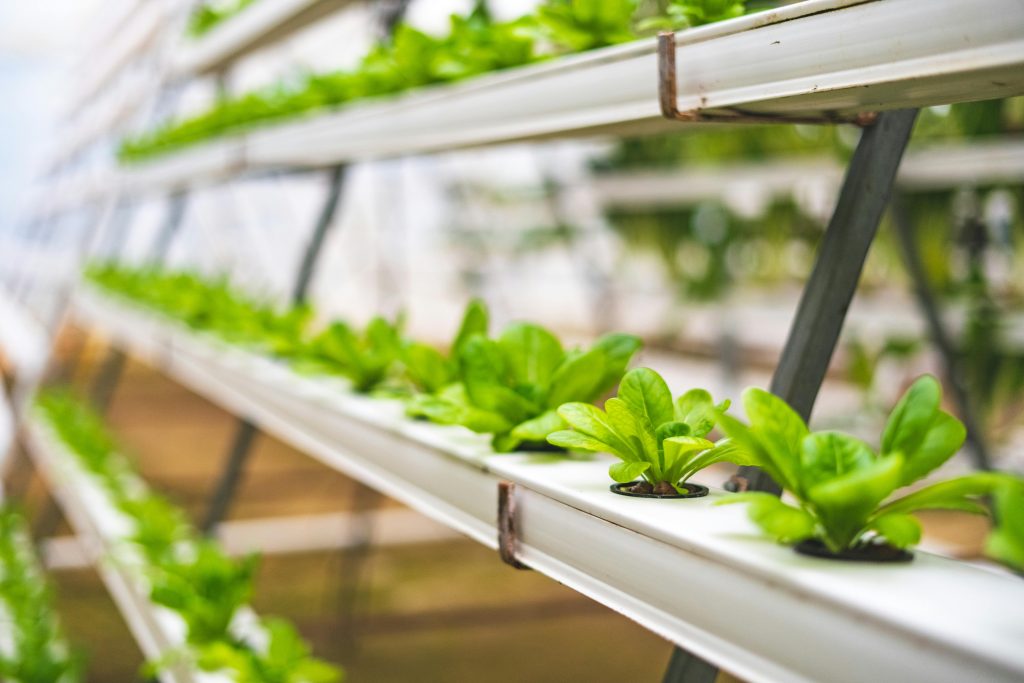
Hydroponics involves growing plants in a water-based, nutrient-rich solution, eliminating the need for soil. This technique allows for precise nutrient management and water use, making it an eco-friendly alternative to conventional agriculture. Key benefits include:
01
Resource Efficiency
Hydroponics reduces water usage by as much as 90% compared to traditional methods.
02
Space Maximization
By eliminating the need for expansive farmland, hydroponics is ideal for urban settings and non-arable lands.
03
Controlled Environment
Hydroponics systems can be enclosed, reducing the impact of external weather conditions and harmful pests, which also diminishes the need for chemical pesticides.
04
Scalability
Hydroponic systems can be easily scaled to meet the needs of both small family farms and large commercial operations. This flexibility allows for an incremental expansion, adapting quickly to increased demand or changes in market dynamics.
Ethiopia’s Hydroponics Landscape: A Leap Towards Food Sovereignty
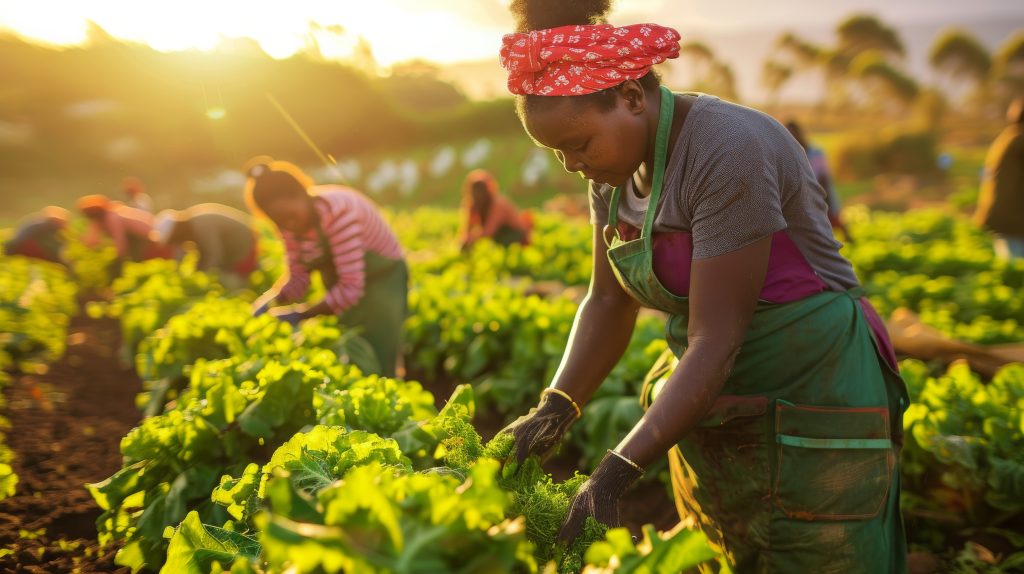
Ethiopia’s agricultural sector, vital for its economy and food security, is severely impacted by challenges such as frequent droughts and land degradation. These issues, compounded by rapid population growth and outdated farming techniques, diminish crop yields and threaten the livelihoods of many, underscoring the urgent need for sustainable solutions to bolster food stability.
Hydroponics offers an innovative solution by
Enhancing Urban Agriculture: In densely populated areas like Addis Ababa, hydroponics allows for efficient use of vertical spaces and rooftops for farming.
Ensuring Year-Round Production: With controlled environments, hydroponics enables consistent crop production throughout the year, crucial in regions with erratic weather patterns.
Supporting Diverse Crop Cultivation: Farmers can grow a variety of crops that might not thrive in the native soil, improving nutrition and culinary diversity.
Global Perspectives: Lessons from Hydroponics Pioneers
Several countries have successfully integrated hydroponics into their food security strategies, providing valuable lessons for Ethiopia and other nations:
- Singapore: Limited by space, Singapore has innovated with vertical f