Your cart is currently empty!

Aquaponics
Aquaponics merges aquaculture with hydroponics to create a sustainable, symbiotic system for growing food. Learn how this innovative method is being implemented in Ethiopia to combat food insecurity and promote sustainability.Aquaponics merges aquaculture with hydroponics to create a sustainable, symbiotic system for growing food. Learn how this innovative method is being implemented in Ethiopia to…

•
Aquaponics
Revolutionizing Food Security with Aquaculture in Ethiopia
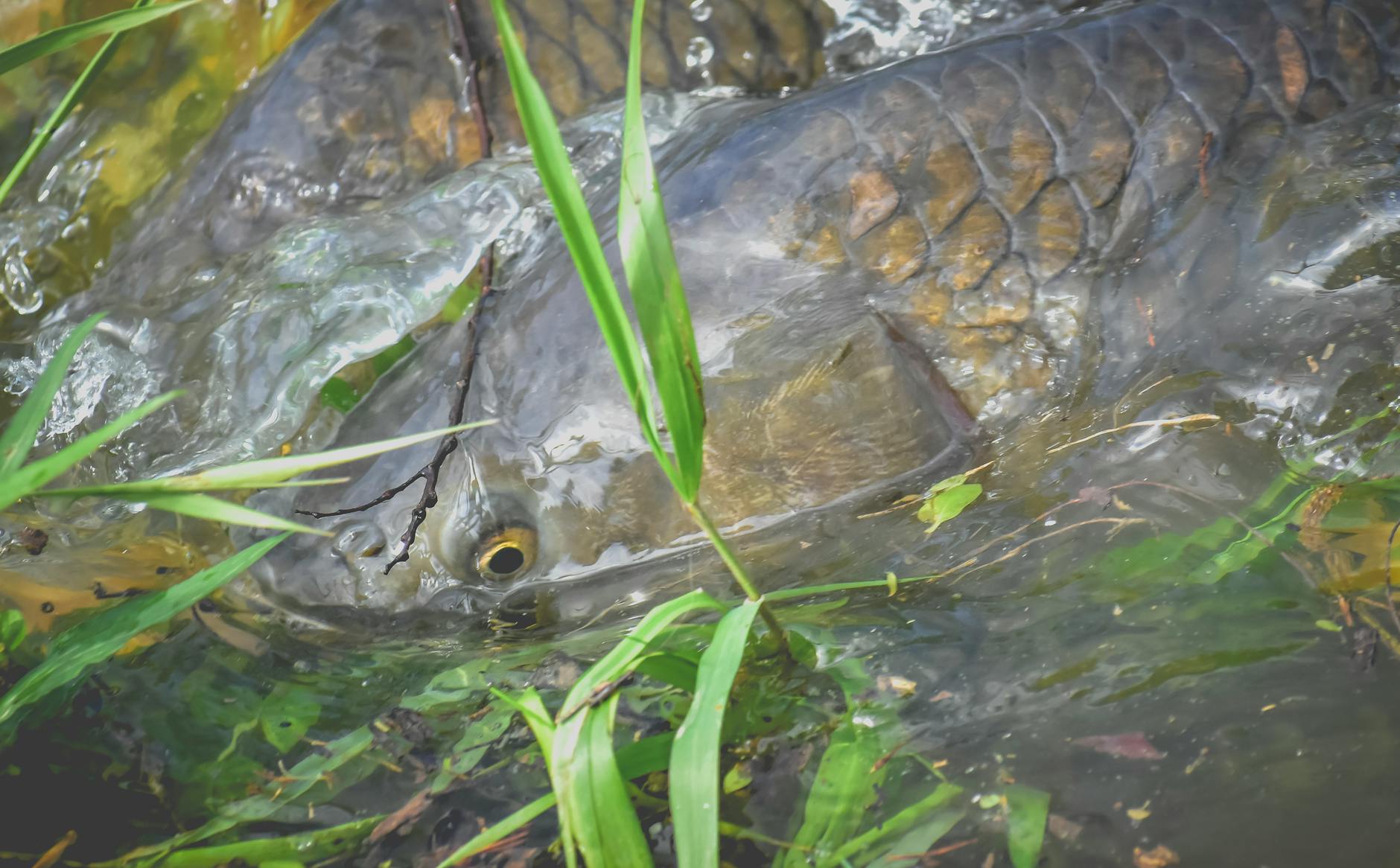
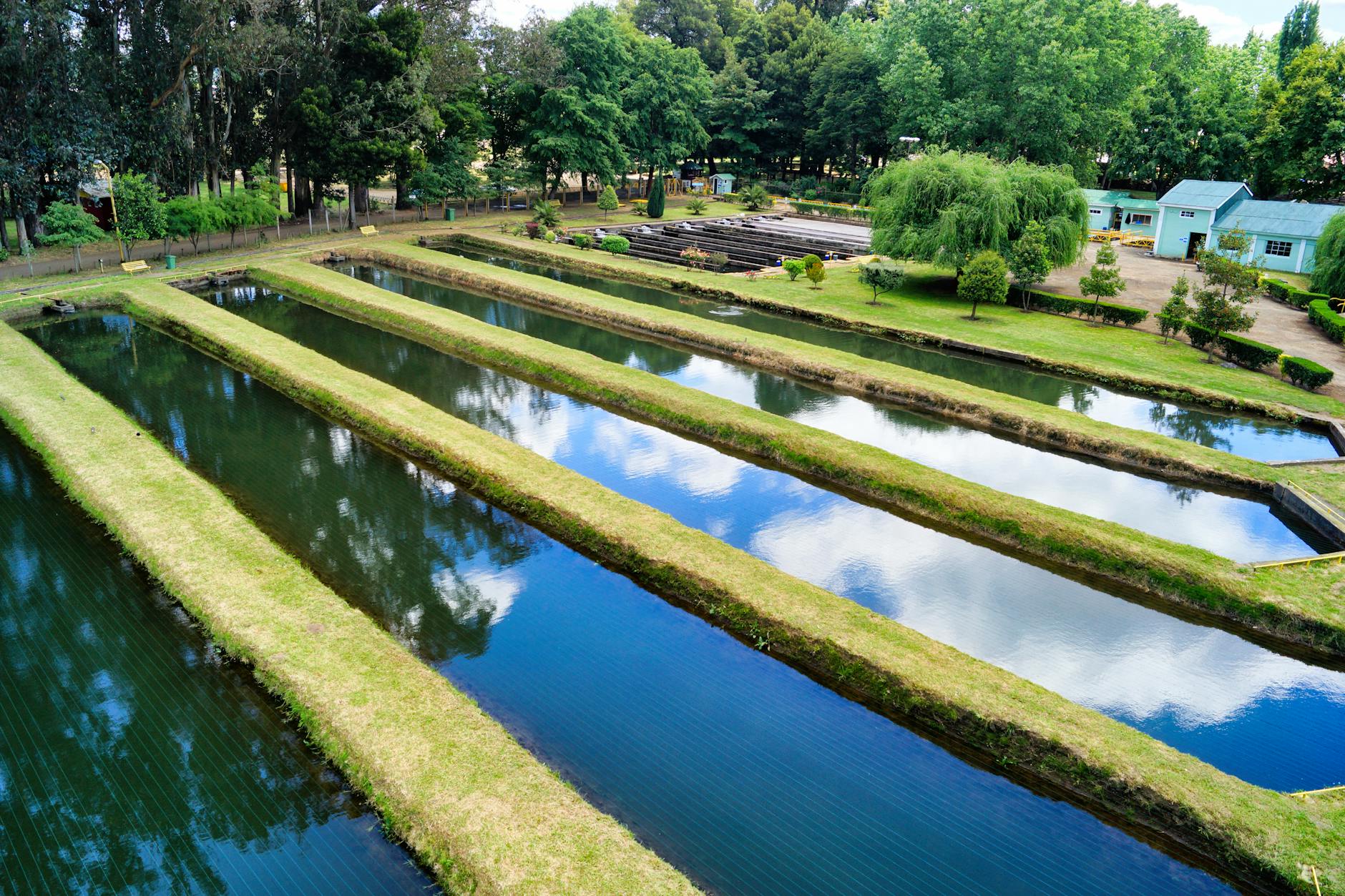
Aquaculture, or fish farming, is rapidly emerging as a key component of sustainable agriculture within Ethiopia and around the world.
This method of cultivating aquatic organisms in controlled environments offers a reliable source of protein, creates economic opportunities, and supports environmental conservation.
The Role of Aquaculture in Sustainable Agriculture
Aquaculture serves as a crucial strategy for enhancing food security, particularly in regions facing challenges like land depletion and water scarcity. Here are some of the primary benefits aquaculture brings to agriculture
01
Sustainable Protein Source
Aquaculture provides a continuous, scalable source of high-quality protein that is less resource-intensive than livestock farming.
02
Resource Efficiency
This method of farming often uses less land and water than traditional agriculture, particularly with techniques like recirculating aquaculture systems (RAS) that reuse water.
03
Land Conservation
Aquaculture minimizes the use of land compared to traditional farming, allowing for less disruption of natural landscapes and ecosystems.
04
Enhancement of Ecosystems
Techniques like integrated multi-trophic aquaculture (IMTA) promote a balance in aquatic ecosystems, where the waste from one species is used as nutrients for another, creating a sustainable cycle.
Expanded Insights on The Role of Aquaculture in Sustainable Agriculture
Aquaculture plays a pivotal role in sustainable agriculture by providing a dependable source of protein while using fewer natural resources compared to traditional livestock farming. This farming practice not only supports the conservation of terrestrial ecosystems by reducing the strain on land-based agriculture but also enhances biodiversity in aquatic environments. Aquaculture’s controlled settings prevent overfishing in wild populations and enable the replenishment of endangered species. Moreover, it facilitates the production of high-quality, nutritious food with minimal geographic constraints, offering a critical solution in areas unsuitable for conventional farming.
Aquaculture’s Impact in Ethiopia
Ethiopia’s adoption of aquaculture is motivated by the need to supplement its g